Attention-Deficit/Hyperactivity Disorder (ADHD)
Attention-Deficit/Hyperactivity Disorder (ADHD) is a neurodevelopmental disorder that affects attention regulation, impulse control, and executive functioning. ADHD impacts both children and adults and often persists across the lifespan.
You are close to the change you are longing for. Set an appointment now.
What is ADHD?
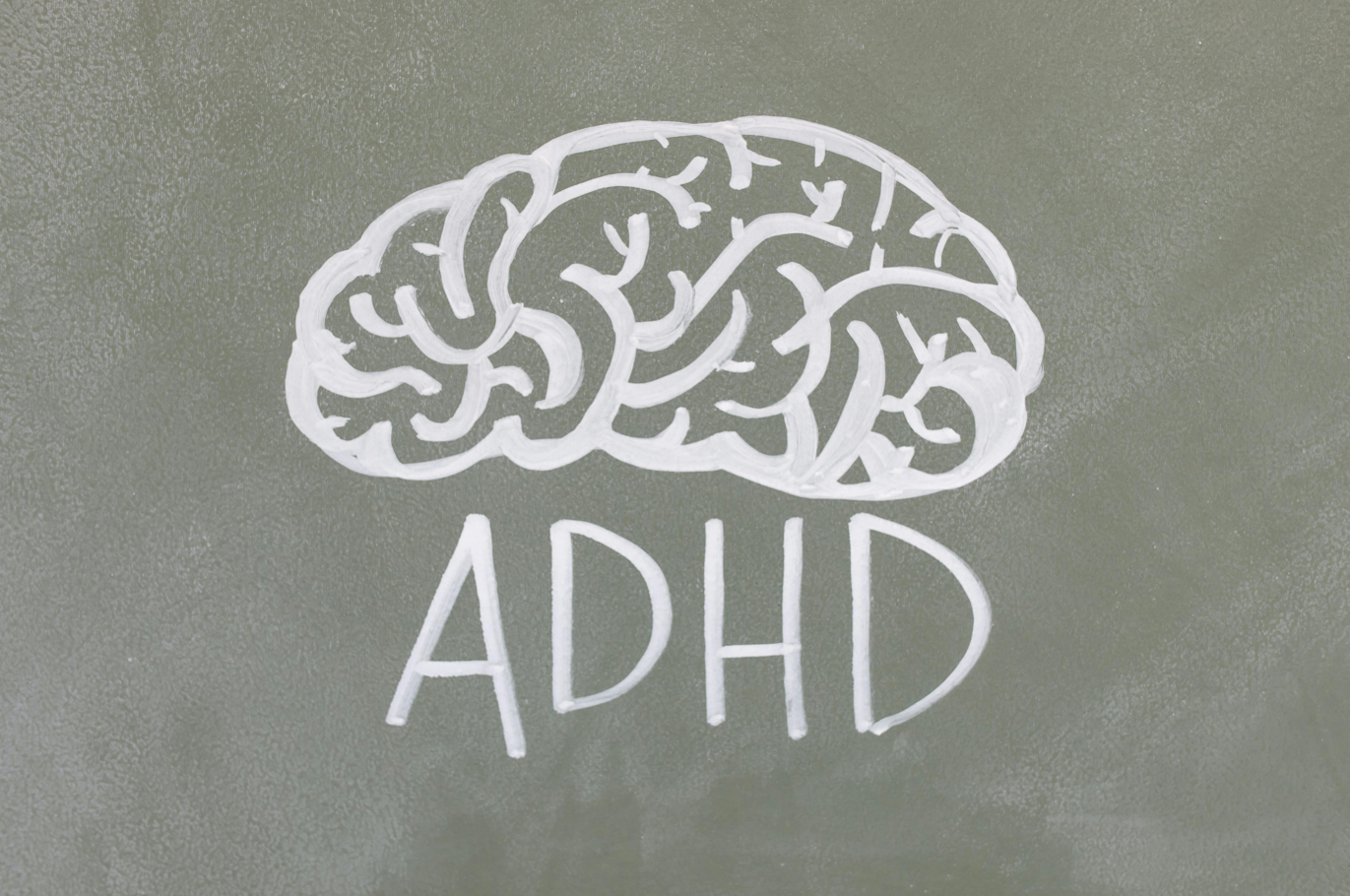
ADHD is a brain-based condition characterized by persistent patterns of inattention, hyperactivity, and impulsivity that interfere with daily functioning or development.
ADHD involves differences in dopamine regulation and prefrontal cortex activity, which directly affect focus, motivation, and behavioral control.
What are the Types of ADHD?
ADHD is classified into three main presentations:
Predominantly Inattentive Presentation
Difficulty sustaining attention
Frequent careless mistakes
Disorganization and forgetfulness
Predominantly Hyperactive-Impulsive Presentation
Excessive movement or restlessness
Interrupting others frequently
Difficulty waiting or staying still
Combined Presentation
Symptoms of both inattention and hyperactivity-impulsivity
What Causes ADHD?
ADHD has multifactorial causes, including genetic, neurological, and environmental factors.
Key contributing factors:
- Genetics (heritability rate ~70–80%)
- Neurotransmitter imbalances (dopamine, norepinephrine)
- Brain structure differences (prefrontal cortex)
- Prenatal exposure to substances (e.g., alcohol, nicotine)
- Low birth weight or premature birth
ADHD is not caused by poor parenting or lack of discipline.
You are close to the change you are longing for. Set an appointment now.
What are the Symptoms of ADHD?
ADHD symptoms vary by age but must be persistent, impairing, and present in multiple settings.
Inattention Symptoms
- Difficulty focusing on tasks
- Easily distracted by external stimuli
- Frequently losing items
- Poor time management
Hyperactivity Symptoms
- Fidgeting or tapping
- Inability to stay seated
- Excessive talking
Impulsivity Symptoms
- Interrupting conversations
- Acting without thinking
- Difficulty delaying gratification
How is ADHD Diagnosed?
ADHD is diagnosed through a clinical evaluation, not a single test.
Diagnostic process includes:
- Comprehensive psychiatric assessment
- Behavioral history from multiple sources (school, home, work)
- DSM-5 diagnostic criteria
- Screening for co-occurring conditions
Common co-occurring conditions:
- Anxiety disorders
- Depression
- Learning disabilities
How Does ADHD Affect Adults?
ADHD in adults often presents differently than in children.
Adult ADHD symptoms include:
- Chronic disorganization
- Difficulty completing tasks
- Poor time management
- Emotional dysregulation
Adults with ADHD often experience challenges in:
- Career stability
- Relationships
- Financial management
What are the Treatment Options for ADHD?
ADHD treatment is multimodal, combining medication, therapy, and lifestyle strategies.
Medication
Stimulants (e.g., methylphenidate, amphetamines)
Non-stimulants (e.g., atomoxetine)
Medication improves dopamine signaling, enhancing attention and impulse control.
Behavioral Therapy
Cognitive Behavioral Therapy (CBT)
Executive functioning coaching
Parent training (for children)
Lifestyle Interventions
Structured routines
Sleep optimization
Regular physical activity
Can ADHD Be Managed Successfully?
ADHD is a chronic condition, but symptoms can be beneficially managed.
With proper treatment:
- Focus improves
- Impulsivity decreases
- Functional outcomes increase
Early diagnosis and treatment lead to better long-term outcomes.
When Should You See a Psychiatrist?
You should seek professional evaluation if:
- Symptoms interfere with school, work, or relationships
- You experience chronic disorganization or impulsivity
- ADHD symptoms persist from childhood into adulthood
Take Control of ADHD with Expert Care
If you or your child show symptoms of ADHD, early evaluation improves outcomes.
👉 Schedule a consultation with Dr. Aaron Padron today
👉 Get a personalized ADHD treatment plan
👉 Improve focus, productivity, and quality of life
Services
Get appointment
Frequently Asked Questions (FAQs)
1 What is the main cause of ADHD?
ADHD is primarily caused by genetic and neurological factors, especially differences in dopamine regulation and brain structure.
2 Is ADHD a mental illness or a learning disorder?
ADHD is a neurodevelopmental disorder, not a learning disability, but it can affect learning.
3 Can adults develop ADHD later in life?
ADHD does not suddenly develop in adulthood. Symptoms must be present since childhood, even if undiagnosed.
4 Is ADHD overdiagnosed?
Research shows ADHD is both underdiagnosed and misdiagnosed, depending on the population and access to care.
5 Can ADHD go away?
ADHD does not disappear, but symptoms can decrease and become manageable with treatment.