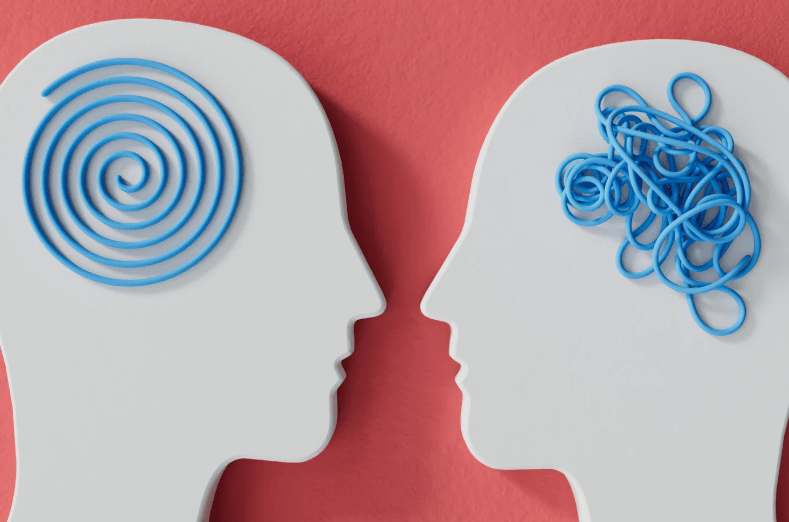
A psychiatrist is a medical clinician who can diagnose mental health conditions and prescribe medication, while a psychologist is trained in psychological assessment and therapy but usually does not prescribe. The right choice depends on your symptoms, treatment goals and whether medication may be needed.
What Is Psychiatry?
Psychiatry is the medical specialty focused on diagnosing, treating, and preventing mental illness through biological, neurological, and psychological understanding.
Psychiatrists are licensed medical clinicians (MD, DO, or psychiatric nurse practitioners) trained in brain-based mental health disorders and psychopharmacology.
What Psychiatrists Do
Psychiatric providers evaluate and treat conditions such as:
-
Depression
-
Bipolar disorder
-
ADHD
-
Anxiety disorders
-
PTSD
-
Schizophrenia
-
Mood instability
-
Sleep disorders
Core psychiatric services include:
-
Psychiatric diagnostic evaluations
-
Medication prescribing and monitoring
-
Treatment planning
-
Differential diagnosis
-
Medication side-effect management
-
Coordination with therapists or PCPs
Psychiatric services:
👉 Telepsychiatry services
What Is Psychology?
Psychology is the science of behavior, cognition, and emotional processes. Psychologists provide psychotherapy and psychological assessment to help individuals change thoughts, emotions, and behaviors.
Psychologists hold doctoral degrees (PhD or PsyD) and specialize in non-medication mental health treatment.
What Psychologists Do
Psychologists commonly help with:
-
Anxiety and worry patterns
-
Trauma and PTSD
-
Relationship difficulties
-
Grief and loss
-
Stress and burnout
-
Behavioral habits
-
Emotional regulation
-
Personality patterns
Treatment typically involves structured psychotherapy methods such as:
-
Cognitive Behavioral Therapy (CBT)
-
Trauma-focused therapy
-
Psychodynamic therapy
-
Acceptance and Commitment Therapy (ACT)
-
Behavioral therapy
Psychiatrist vs Psychologist: Key Differences
| Feature | Psychiatrist | Psychologist |
|---|---|---|
| Medical training | Yes | No |
| Can prescribe medication | Yes | No |
| Primary focus | Brain chemistry & diagnosis | Thoughts & behavior |
| Treatment methods | Medication + brief therapy | Psychotherapy |
| Conditions treated | Severe & biological disorders | Emotional & behavioral issues |
| Best for | Bipolar, ADHD, major depression | Anxiety, trauma, relationships |
Both roles are evidence-based and complementary.
When Should You See a Psychiatrist?
Psychiatric evaluation is recommended when symptoms suggest biological or neurochemical involvement.
You may need psychiatric care if you experience:
-
Severe depression or mood swings
-
Panic attacks or intrusive thoughts
-
Hallucinations or paranoia
-
ADHD symptoms affecting functioning
-
Sleep disruption with mood changes
-
Emotional instability
-
Lack of response to therapy alone
Psychiatric providers assess whether medication may help regulate brain function.
Medication services:
👉 Medication management
When Should You See a Psychologist or Therapist?
Therapy-focused care is often appropriate when difficulties are primarily emotional, behavioral, or situational.
You may benefit from therapy if you want to:
-
Process trauma or grief
-
Improve coping skills
-
Change negative thinking patterns
-
Manage stress or burnout
-
Address relationship conflict
-
Build emotional regulation skills
-
Explore identity or life transitions
Psychotherapy works by changing cognitive and behavioral patterns over time.
Do You Ever Need Both Psychiatry and Psychology?
Yes. Combined treatment (medication + therapy) is the most beneficial approach for many mental health conditions.
Research consistently shows integrated care improves outcomes for:
-
Depression
-
Anxiety disorders
-
PTSD
-
OCD
-
Bipolar disorder
-
ADHD
Medication stabilizes neurobiology while therapy builds coping and behavioral change.
This dual approach addresses both brain chemistry and psychological patterns.
How Integrated Mental Health Care Works
Integrated care coordinates psychiatric and therapy treatment into one plan.
Benefits include:
-
More accurate diagnosis
-
Faster symptom improvement
-
Medication-therapy alignment
-
Better communication between providers
-
Reduced relapse risk
-
Personalized treatment strategy
Insightful Psychiatry collaborates with therapists and psychologists to provide coordinated care.
How to Choose the Right Mental Health Professional
Decision depends on symptom type, severity, and treatment goals.
Start with psychiatry if:
-
You suspect ADHD or bipolar disorder
-
Symptoms are severe or persistent
-
Medication may be needed
-
Therapy alone hasn’t helped
Start with therapy if:
-
Issues are situational or emotional
-
You want non-medication treatment
-
You need coping strategies
-
You want trauma or relationship work
If unsure, psychiatric consultation can determine next steps.
Mental Health Conditions Treated by Psychiatry and Psychology
Both disciplines treat overlapping conditions, but roles differ.
Psychiatry-focused conditions:
-
Bipolar disorder
-
Schizophrenia
-
ADHD
-
Severe depression
-
Mood disorders
Psychology-focused conditions:
-
Anxiety
-
Trauma
-
Relationship issues
-
Personality patterns
-
Stress disorders
Many individuals benefit from both approaches simultaneously.
Insightful Psychiatry’s Integrated Care Approach
Insightful Psychiatry provides psychiatric diagnosis and medication management while coordinating with therapists for psychotherapy.
We support patients with:
-
Anxiety disorders
-
Depression
-
ADHD
-
Bipolar disorder
-
PTSD
-
Mood instability
-
Stress disorders
Care includes telepsychiatry and individualized treatment planning.
Treatment model:
👉 Individualized treatment plans
Psychiatry vs Psychology: Which Do You Need?
The right choice depends on whether your symptoms are primarily:
-
biological (brain-based)
-
psychological (emotional/behavioral)
-
or both
If you’re unsure, a psychiatric consultation can clarify diagnosis and guide whether therapy, medication, or combined treatment is most appropriate.
Get Help Choosing the Right Mental Health Care
If you’re unsure whether to see a psychiatrist or psychologist, Insightful Psychiatry can help you determine the best care path.
👉 Request consultation
📞 (206) 620-1222
Your mental health care should match your brain, your experiences, and your goals.
This is a clear and useful comparison of psychiatry and psychology, especially for people who may be unsure which type of professional to consult. I like how the article explains that psychiatrists can focus on diagnosis, medication management, and biological factors, while psychologists often concentrate on psychotherapy, behaviour, and emotional processes. The emphasis on both professions being complementary is particularly important, as many people can benefit from coordinated care rather than viewing one approach as better than the other. Telepsychiatry also makes mental health support more accessible for people who may have difficulty attending traditional appointments. A virtual psychiatrist can provide another convenient option for those seeking an initial psychiatric evaluation.